A Beginner’s Guide to Strength Training: How to Start Safely and Build Real Progress

A Beginner’s Guide to Strength Training: How to Start Safely and Build Real Progress
Strength training is one of the most powerful things you can do for your health.
It helps you:
- lose body fat
- build muscle
- increase energy
- improve confidence
- boost metabolism
- strengthen joints
- age healthier
- prevent injury
- feel better in your daily life
But for many beginners, strength training feels intimidating.
You might wonder:
- Where do I even start?
- How much weight should I use?
- How many sets or reps?
- How do I know if I’m doing it right?
- How do I stay consistent?
This guide will walk you through everything you need to know — simply, clearly, and safely — so you can begin strength training with confidence.
⭐ What Strength Training Actually Means
Strength training isn’t about lifting the heaviest weight possible.
It simply means:
Using resistance to challenge your muscles.
This resistance can come from:
- dumbbells
- barbells
- cables
- resistance bands
- kettlebells
- machines
- your own bodyweight
As long as your muscles work harder than usual, you’re strength training.
⭐ Why Strength Training Is So Important (Especially for Beginners)
You don’t need years of experience to benefit — beginners make progress the FASTEST.
Strength training helps you:
✔ Build lean muscle
Muscle increases metabolism and improves your body composition.
✔ Burn more calories
You burn calories during your workout AND afterward due to increased muscle mass.
✔ Improve posture and mobility
Your body moves more efficiently and safely.
✔ Boost mental health and confidence
Strength training has some of the strongest research supporting improved mood and self-belief.
✔ Slow aging
Strength training protects bone density, balance, and independence as you age.
⭐ The 5 Essential Movement Patterns Every Beginner Should Learn
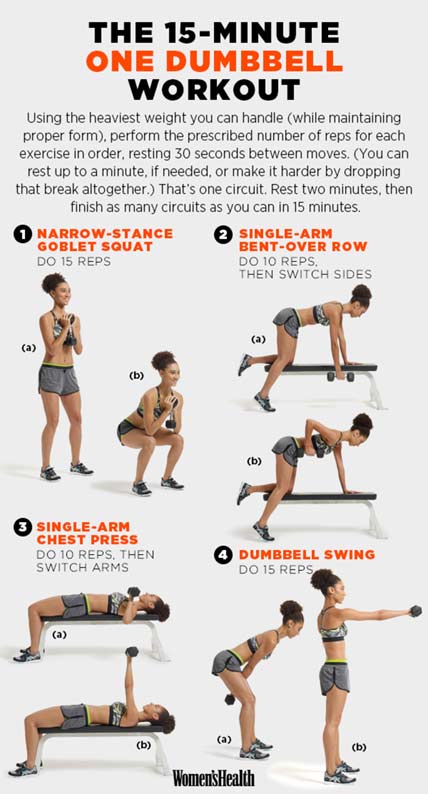
Rather than memorizing dozens of exercises, focus on mastering these five fundamental movement patterns:
1. Push
Examples: push-ups, bench press, overhead press
These strengthen the chest, shoulders, and triceps.
2. Pull
Examples: rows, pull-downs, dumbbell rows
Strengthens your back and biceps.
3. Squat
Examples: bodyweight squats, goblet squats
Targets the legs and improves lower-body stability.
4. Hinge
Examples: deadlifts, hip hinges, kettlebell swings
Strengthens the glutes, hamstrings, and lower back.
5. Core
Examples: planks, dead bugs, Pallof presses
Builds stability and protects your spine.
Mastering these patterns sets the foundation for ALL future strength training.
⭐ How Much Weight Should a Beginner Use?
A simple rule:
Start lighter than you think — and focus on form first.
Choose a weight that lets you complete 8–12 controlled reps with good technique.
The last 2–3 reps should feel challenging but not impossible.
If the movement feels sloppy or rushed, reduce the weight.
⭐ How Many Sets & Reps Do Beginners Need?
Use this simple formula:
⭐ 3 sets of 8–12 reps for most exercises
This rep range is:
- safe
- beginner-friendly
- great for muscle growth
- great for learning technique
And it’s easy to track progress over time.
⭐ How Often Should Beginners Strength Train?
Aim for:
✔ 2–3 strength sessions per week
Beginner gains happen quickly, even with short sessions.
You don’t need to train every day — consistency matters more than volume.
⭐ How to Know If You’re Lifting Correctly
Use this checklist:
✔ Full control — no jerking or swinging
✔ Smooth tempo — not rushed
✔ Stable posture — no painful movement
✔ You feel the exercise where you're supposed to
✔ The last 2–3 reps are challenging
If it feels “wrong,” it probably is. Reduce weight or modify the exercise.
⭐ How to Make Progress Safely
Strength training works when you progressively challenge yourself.
Here’s how beginners can progress:
✔ Add 2–5 pounds to a lift
✔ Add 1–2 extra reps
✔ Add 1 extra set
✔ Improve range of motion
✔ Slow down your tempo
✔ Select a more challenging variation
Small increases = big results over time.
⭐ The #1 Reason Beginners Quit Strength Training
They try to build their own plan.
And when you don’t know:
- how to pair movements
- how to progress them
- how to modify them
- how much to lift
- how long to rest
- how often to train
…you feel lost, overwhelmed, or intimidated.
Strength training becomes confusing instead of empowering.
This is where guided, personalized training makes all the difference.
⭐ How OnTrac Makes Strength Training Simple for Beginners
OnTrac removes ALL the guesswork.
When you open the app, you’re given:
✔ A personalized workout based on YOUR goals
Not a random template.
✔ Movements selected for your ability level
No intimidating or unsafe lifts.
✔ Clear instructions + intent behind every movement
You always know what to focus on.
✔ Safe progressions built in
No guessing how much to lift next week.
✔ A plan that adjusts when you’re tired, busy, or traveling
Real life won’t break your routine.
✔ Nutrition goals that support your strength training
Protein, calories, carbs, and recovery — all optimized for your progress.
Beginners stick with strength training when the plan fits their life and their confidence level.
OnTrac gives you the structure you need, without the overwhelm.
⭐ If You’ve Always Wanted to Start Strength Training — This Is Your Moment
You don’t need to be strong to start.
You get stronger because you start.
Use this guide as your foundation — and let a personalized plan guide your next steps.
Your future self will be grateful you began.