Personalized Workouts vs. Templates: Why Generic Plans Don’t Work

Personalized Workouts vs. Templates: Why Generic Plans Don’t Work
If you’ve ever downloaded a workout plan that looked exciting at first but stopped working after a few weeks, you’re not alone.
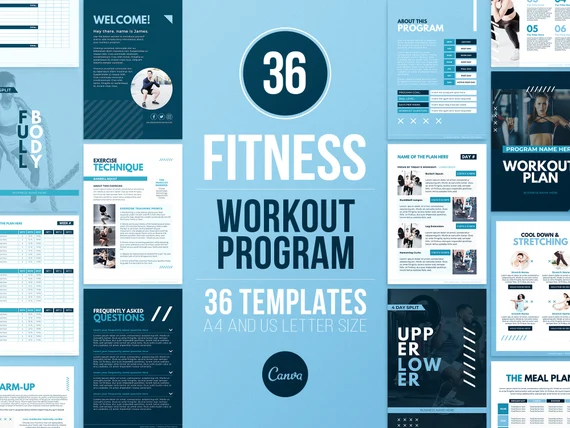
Most fitness programs fail because they’re built on templates—rigid, one-size-fits-all workouts that never change based on:
- your fitness level
- your progress
- your injuries
- your schedule
- your energy
- your goals
- your equipment
- your life
Templates are convenient to produce.
They are not designed to make people successful.
Let’s break down why generic plans fall apart — and why personalized training is the only approach that consistently works long term.
Why Generic Workout Templates Don’t Work
1. Templates assume everyone is the same.
But your:
- experience
- strength
- mobility
- conditioning
- limitations
- confidence
- available equipment
…are completely different from the next person.
A “Beginner Upper Body Day” may be too easy for you — or way too hard for someone else.
There’s no progression. No adaptation. No personalization.
2. Templates do not adjust when you improve.
If you get stronger, fitter, or more skilled, the program should adjust your:
- weights
- reps
- sets
- volume
- intensity
- movement variations
Templates don’t.
So by week 3–6, the plan either becomes:
- too difficult (so people quit), or
- too easy (so progress stalls)
3. Templates break instantly when life changes.
Miss a day?
Busy week?
Sleep-deprived?
Low energy?
Travel?
Limited equipment?
A template doesn’t care.
It just keeps pushing the same schedule forward.
This makes people feel behind — and feeling behind kills consistency.
Personalized training adapts. Templates break.
4. Templates don’t teach you how to train.
They give you:
- exercises
- sets
- reps
…but no:
- goals
- intent
- cues
- progression logic
- alternatives
- explanations
Without context, it’s just a list of movements.
People stick with things they understand.
Templates rarely explain the “why” behind training.
Why Personalized Workouts Work Better (For Everyone)
⭐ 1. They match YOUR fitness level
Movements, reps, and intensities adjust based on:
- experience
- strength
- conditioning
- confidence
- skill level
Regressions and progressions exist for every movement.
Nothing is random.
⭐ 2. They adapt as your body adapts
Personalized training adjusts automatically when:
- your strength increases
- your conditioning improves
- you complete certain training blocks
- your recovery changes
- your goals shift
Your plan evolves with you — like a real coach.
⭐ 3. They fit your lifestyle
Training should flex with real life:
- 30-minute version if you’re busy
- full version if you have time
- at-home version if you’re traveling
- low-impact options if you’re sore
- substitutions for injuries or limitations
Consistency becomes easier when your plan matches your schedule — not the other way around.
⭐ 4. You progress faster because the plan is built for you
Personalization ensures:
- the right amount of volume
- proper movement patterns
- balanced training weeks
- recovery that aligns with your effort
- progressive overload done safely
This is the difference between:
making progress
and
hoping for progress
How OnTrac Takes Personalization Even Further
Most apps still use:
- simple templates
- small variations
- small branching choices
OnTrac takes a completely different approach.
✔ Weekly personalized workouts
Generated based on:
- your training history
- your equipment
- your goals
- your available time
- how many days you want to train
- what you enjoy
- your performance trends
✔ Adaptive adjustments
Workouts update intelligently:
- if you missed a day
- if you’re fatigued
- if you’ve improved
- if you’re struggling
- if you need alternatives
- if your goals shift
Your plan always meets you where you are.
✔ Movements matched to your abilities
Struggling with push-ups?
You get a regression.
Crushing your deadlifts?
You get the next step in progression.
Templates guess.
Personalization adjusts.
✔ Clear intent behind every session
OnTrac tells you:
- what today’s workout is designed to do
- what to focus on
- how hard you should go
- how to scale properly
- how to approach the session
This context makes training more effective — and more enjoyable.
Why Personalized Workouts Build Better Consistency
People stay consistent when training feels:
- doable
- flexible
- safe
- aligned with their abilities
- aligned with their goals
- rewarding
- structured
- challenging (but not overwhelming)
Templates often create the opposite experience.
But when the plan feels like it was made for you, everything changes:
- You show up more
- You stick with it longer
- You stay confident instead of discouraged
- You build momentum
- You see real results
And momentum is the real secret to long-term success.
If You’ve Tried Templates Before and Failed — You Didn’t Fail
The plan failed you.
Most people don’t need more motivation.
They need a better system.
Personalized workouts remove guesswork, eliminate overwhelm, and make training something you can stay consistent with — even on busy weeks.
OnTrac gives you structure without rigidity.
Progress without pressure.
Consistency without burnout.
That’s what creates lifelong fitness.